A revolution in NMN measurement
NMN measurement has long been a challenge. In the world of aging and metabolism research, NMN has emerged as a crucial molecule. As a key precursor in the biosynthesis of Nicotinamide Adenine Dinucleotide (NAD+), NMN plays an essential role in various biological processes, including aging, DNA repair, and energy metabolism. The ability to accurately measure its levels is vital to understanding its impact on health, disease, and healing.
Perhaps a bit technical, but until now, quantifying NMN in biological samples has been challenging. Its susceptibility to enzymatic degradation made accurate measurements difficult. This has recently changed with the introduction of double isotope-mediated liquid chromatography-tandem mass spectrometry (dimeLC-MS/MS), an innovative methodology that promises to transform the landscape of NMN measurements.

NMN measurement with dimeLC-MS/MS
dimeLC-MS/MS uses liquid chromatography-triple quadrupole mass spectrometry, but with a twist – it utilizes double isotopic NMN standards. This approach significantly enhances the accuracy of NMN measurements by adjusting for matrix effects inherent in biological samples. This methodology has been extensively tested and has demonstrated remarkable accuracy in quantifying NMN levels in mouse plasma. This also proves the rapid absorption of NMN into the bloodstream and cells.
What more accurate NMN measurement means for the future
The development of the dimeLC-MS/MS method is a major step in how research can be conducted on NMN and its effects on animals and humans. It potentially offers a reliable standard methodology that can reshape our understanding of aging, metabolism, and perhaps even the broader field of biochemistry.
This advancement is not only academic. With more accurate measurements, researchers can better understand the effectiveness of NMN, optimize dosages, and unravel the complex interplay of NAD+ metabolism in health and disease.
We can’t wait to see how this will change the field!
Good to know when choosing NMN
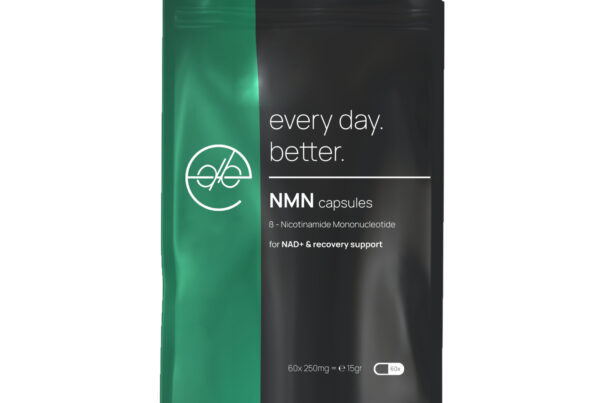
Accurate lab methods matter for research, but quality also matters for the NMN you buy. Read how we document purity and testing on our NMN certificates page, or learn how to take NMN powder and what to expect from NMN and healthy aging.
Source: Absolute quantification of nicotinamide mononucleotide in biological samples by double isotope-mediated liquid chromatography-tandem mass spectrometry (dimeLC-MS/MS), npj Aging.