
Longevity supplements in 2026 are often used with the goal of increasing energy and reducing fatigue. But which supplements are actually supported by human research?
Anyone looking for the best longevity supplement for energy is actually asking two different questions. Which substances play a role in the energy metabolism of cells? And which supplements actually ensure that someone feels less tired or functions better in human research? Those two are not the same.
In this current overview, we compare NMN, NR, creatine, GlyNAC, TMG, coenzyme Q10, urolithin A, and relevant vitamins and minerals. We consistently distinguish between a biological mechanism, a changed biomarker, and a noticeable effect in humans. None of these supplements have been proven to make healthy people live longer.
Last content check: July 21, 2026 · Reading time: approximately 14 minutes
Which longevity supplement helps most with energy and fatigue?
For most people, there is no universal best supplement. The best choice depends on the cause and the desired result:
- In case of a proven deficiency: targeted supplementation of the missing nutrient is the most obvious step. Think of iron, vitamin B12, folate, or magnesium, depending on diet, symptoms, and testing.
- For strength and short intensive exertion: creatine has a much broader human research base than most substances offered as longevity supplements.
- For increasing NAD+-related levels: NMN and NR are relevant precursors. This biomarker effect does not automatically mean that healthy users feel more energetic.
- For glutathione and oxidative balance: GlyNAC has early positive data in older adults, but larger independent studies are needed.
- For mitochondrial or muscle outcomes in specific groups: coenzyme Q10 and urolithin A are interesting, but the evidence does not support a general promise against fatigue.
- For methylation and homocysteine metabolism: TMG has a clearly defined function, but has not been proven as a direct energy supplement.
This answer is less spectacular than a top-3 list, but aligns better with the current state of human research. A supplement can be biologically active without providing a tangible or clinically relevant benefit.
Fatigue is not the same as low cellular energy
Mitochondria produce ATP, an important energy carrier for cells. NAD+, coenzyme Q10, and the creatine-phosphocreatine system are involved in processes surrounding energy production and energy buffering. However, a feeling of fatigue should not automatically be translated to “my mitochondria are not working properly.”
Fatigue can be related to, among other things, too little or poor sleep, stress, low mood, diet, anemia, medication, pain, infections, thyroid problems, or other conditions. Often, there is not one clear cause. Thuisarts (GP info) advises contacting a doctor when fatigue lasts a long time, for example longer than a month, or when there are other symptoms. Read the information from Thuisarts about possible causes of fatigue.
Supplements for more energy and less fatigue compared
| Supplement or substance | Researched for? | What do we know in humans? | Main limitation |
|---|---|---|---|
| Iron, B12, folate, and magnesium | Normal energy metabolism and reduction of fatigue | Targeted supplementation is mainly relevant when intake or status is insufficient | Taking more is not automatically better; iron requires extra caution |
| Creatine | Rapid energy buffering, strength, muscle performance, and cognition | Strong evidence for certain sports and muscle outcomes; cognitive effects vary by target group and test | Not a general treatment for daily fatigue |
| NMN | NAD+ metabolism, physical functioning, and metabolic outcomes | Increases NAD+ or related metabolites in various short studies; functional results are not consistent | A higher biomarker value does not prove a noticeable energy boost |
| NR | NAD+ metabolism and diverse metabolic or neurological outcomes | Can increase NAD+-related levels; clinical benefits vary greatly by study and target group | Not proven as a universal remedy for fatigue |
| GlyNAC | Glutathione, oxidative balance, mitochondrial function, and physical functioning | Early positive results in small studies in older adults | Small groups and still little independent replication |
| Coenzyme Q10 | Mitochondrial electron transport chain and specific medical target groups | Results vary by condition, dose, and baseline status | No convincing general energy effect in healthy people |
| Urolithin A | Mitophagy, muscle strength, endurance, and mitochondrial biomarkers | Some randomized studies report signals for specific muscle and biomarker outcomes | Limited number of studies; one major study was sponsored by the manufacturer |
| TMG (betaine) | Methyl donation and homocysteine metabolism | The contribution to normal homocysteine metabolism is recognized in the EU under specific conditions | Not directly researched as a supplement for fatigue |
The core: for a perceived lack of energy, it is more important to first determine the context than to choose the supplement with the most attractive mechanism.
Vitamins and minerals: mainly relevant with insufficient intake or a deficiency
Iron, vitamin B12, vitamin B6, folate, magnesium, niacin, riboflavin, and vitamin C have authorized claims in the European Union relating to normal energy metabolism and/or the reduction of fatigue. For example, it may be stated under certain conditions that magnesium, iron, and vitamin B12 contribute to the reduction of fatigue. View the official conditions in EU Regulation 432/2012.
However, an authorized health claim does not mean that everyone gets more energy from an extra high dose. When the diet already provides enough and there is no deficiency, the effect may be limited or absent. Do not supplement iron for long periods without reason: symptoms such as fatigue can be a reason to discuss with a doctor whether testing is necessary.
NMN and NR: relevant for NAD+, but what do you notice?
NMN and nicotinamide riboside (NR) are both precursors that the body can use in the formation of NAD+. NAD+ is a coenzyme involved in redox reactions, energy metabolism, and various enzymatic processes. This makes these substances biologically relevant for cellular energy, but not automatically proven as remedies for a feeling of fatigue.
What does research into NMN show?
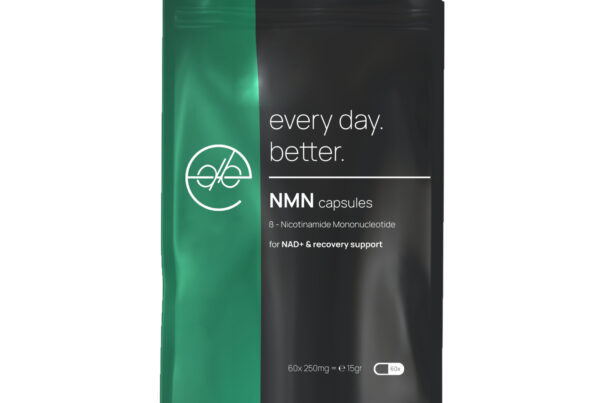
A randomized, double-blind study in older men examined 250 mg of NMN per day for six or twelve weeks. The NAD+ level in whole blood increased. There were some signals in measures of muscle function, but the study was small and some authors worked for an NMN manufacturer. View the NMN study in older men via PubMed.
Another double-blind study from 2024 divided sixty older adults into NMN or placebo groups. The primary endpoint, a stepping test, did not differ significantly between the groups. Secondary outcomes reported higher NAD+ levels, a shorter time on a four-meter walk test, and better scores on some sleep measures. Such secondary findings are interesting but require confirmation. Read the randomized study in GeroScience.
A systematic review from 2026 assessed human and preclinical intervention studies with NAD+-related substances. The general line is that NMN and NR can increase NAD+-related levels, while evidence for broad anti-aging, energy, or well-being effects remains heterogeneous. View the systematic review via PubMed.
Is NMN better than NR for energy?
There is no convincing direct evidence for this. Both substances influence NAD+ metabolism, but studies differ in dose, target group, duration, and measured outcomes. A review of human NR studies also concluded that increasing NAD+ is not automatically translated into consistent metabolic or functional benefits. Read the review on NR research in humans.
Practical conclusion: NMN and NR are most directly relevant when the question is about NAD+. For the question “do I feel less tired because of this?”, the evidence is much less certain. Read more about how NMN is converted within the NAD+ pathways, NMN versus NR, NMN dosage, and possible side effects of NMN.
Creatine: stronger evidence for performance than for general fatigue
Creatine supports the phosphocreatine system, which can quickly replenish ATP during short, intensive exertion. The research base for strength, muscle mass in combination with training, and certain sports performances is much broader than that of most new longevity supplements.
Creatine is also being researched for brain energy and cognitive performance. A systematic review and meta-analysis of randomized studies from 2024 found potential benefits in some cognitive domains, but results varied by test, target group, and study design. View the meta-analysis on creatine and cognition.
Practical conclusion: creatine is a more logical evidence-based choice for strength and short intensive performance than for unexplained daily fatigue. There is no evidence that creatine slows aging or makes everyone mentally more energetic.
Coenzyme Q10 and urolithin A: targeting mitochondria
Coenzyme Q10
Coenzyme Q10 is part of the mitochondrial electron transport chain and also functions as an antioxidant. The substance has been researched in various conditions and in users of certain medications, including statins. However, outcomes vary greatly by target group, formulation, and dose. A scientific review describes potential applications in specific deficiencies and conditions, but does not support a universal promise of more energy for healthy people. View the review on coenzyme Q10 in aging and disease.
Urolithin A
Urolithin A is a metabolite that certain gut bacteria can form from ellagitannins found in, among others, pomegranate and nuts. The substance is being researched for mitophagy: the clearing and recycling of damaged mitochondria.
A randomized, placebo-controlled study in 88 untrained middle-aged adults examined 500 or 1,000 mg per day for four months. The researchers reported improvements in some measures of muscle strength and mitochondrial biomarkers. The primary endpoint, peak power, did not improve significantly compared to placebo. The study was sponsored by the manufacturer and several authors were involved with the company. View the urolithin A study via PubMed.
Practical conclusion: both substances are biologically interesting, but “works in mitochondria” is not yet proof of less daily fatigue.
GlyNAC and TMG: other pathways than a direct energy boost
GlyNAC and glutathione
GlyNAC combines glycine and N-acetylcysteine (NAC), two substances that provide building blocks for glutathione. Glutathione is involved in cellular redox balance. Therefore, GlyNAC is researched in relation to oxidative stress, mitochondrial function, and physical functioning.
In a randomized, placebo-controlled study, 24 older adults were divided into GlyNAC and an isonitrogenous placebo group for sixteen weeks. The researchers reported changes in glutathione, various biomarkers, and some functional measures. Because only twelve older participants received GlyNAC, the effect sizes may be uncertain and independent confirmation is important. View the GlyNAC research via PubMed.
Practical conclusion: GlyNAC has early human signals in older adults, but is not proven as a general supplement for fatigue. Read more about what GlyNAC is and the separate overview of GlyNAC research.
TMG, betaine, and methylation
TMG stands for trimethylglycine and is another name for betaine. The substance can function as a methyl group donor and plays a role via the enzyme BHMT in the conversion of homocysteine into methionine. That explains why TMG is often discussed alongside NMN, but not why it would be a direct energy supplement.
There is an authorized European health claim for betaine: betaine contributes to normal homocysteine metabolism. The claim only applies to at least 500 mg of betaine per indicated portion and with the information that the beneficial effect is obtained with a daily intake of 1.5 grams. It must also be warned that a daily intake above 4 grams can significantly increase blood cholesterol levels. See the consolidated EU Regulation.
Practical conclusion: TMG has a clearly defined role around homocysteine metabolism, but there is no good evidence that TMG gives healthy people noticeably more energy. Read more about TMG and betaine and research into TMG.
Omega-3, electrolytes, and other longevity supplements
Omega 3
Omega-3 fatty acids have been broadly researched for cardiovascular and other health outcomes. In an analysis within the DO-HEALTH study, small changes in some DNA methylation clocks were reported. The significance of this for perceived energy, disease, or lifespan has not been established. A changed epigenetic clock is not proof that someone feels less tired or lives longer. Read the publication in Nature Aging.
Electrolytes and ORS
Dehydration, illness, diarrhea, or significant fluid loss due to heat and exertion can be accompanied by weakness or fatigue. Electrolytes or ORS can have a different function in such specific situations than a longevity supplement. They are not a general daily energy booster and do not solve unexplained or long-term fatigue. For the connection between hydration and other processes, read the guide on cellular energy, recovery, and balance.
Spermidine, taurine, and senolytics
These substances and strategies are scientifically interesting, but much attention is ahead of clinical evidence. Early human studies exist and additional research is ongoing. For over-the-counter “senolytic” combinations, much evidence is preclinical or comes from small, specific research groups. “Promising” therefore does not mean “proven against fatigue” or “proven life-extending.”
How to choose an energy supplement responsibly?
- Start with the complaint, not the stack. Is the lack of energy short-term, linked to sleep or stress, or has it persisted for weeks?
- Rule out relevant causes. Discuss long-term or unexplained fatigue with a doctor instead of just masking symptoms.
- Choose a concrete goal. A diagnosed deficiency, strength training, NAD+-related biomarkers, and homocysteine metabolism are different goals that are not solved by the same supplement.
- Assess the evidence in the right target group. Results in older adults, elite athletes, or people with a condition do not automatically apply to every healthy user.
- Look at the primary endpoint. A positive secondary result is less convincing when the pre-determined main goal of a study was not met.
- Check funding and interests. Industry-funded research is not automatically incorrect, but independent replication makes conclusions stronger.
- Check product quality. Look for batch-specific analyses for identity, content, heavy metals, and microbiology. For NMN, you can view the NMN certificates and laboratory tests.
- Change one thing at a time. This allows you to better assess what causes effects or side effects.
- Evaluate pre-agreed outcomes. Determine what you want to measure and when you will stop if there is no relevant benefit.
Conclusion: which longevity supplement really works for energy?
No single longevity supplement has been proven to work for everyone against fatigue. When a deficiency is the cause, targeted supplementation of the nutrient in question is most logical. Creatine has relatively strong evidence for specific muscle and performance outcomes. NMN and NR can increase NAD+-related levels, but a consistent tangible energy boost in healthy people has not been proven. GlyNAC, coenzyme Q10, and urolithin A have interesting results in specific groups; TMG is mainly relevant for homocysteine metabolism.
The best approach is therefore cause-oriented, realistic, and measurable. Those who want to understand more about NAD+, glutathione, methylation, and mitochondria can read further in the guide on longevity at the cellular level or start with the complete overview of supplements for healthy aging.
Learn more about NMN, GlyNAC, and TMG
Compare action, research, dosage, safety, and product quality before making a choice.
Frequently asked questions about longevity supplements for energy
Which longevity supplement helps best with fatigue?
There is no supplement that works best for everyone. In case of a proven deficiency, targeted supplementation may be most relevant. Creatine is well-researched for certain physical performances. NMN and NR increase NAD+-related levels in studies, but do not consistently reduce fatigue in healthy people.
Does NMN give more energy?
NMN is involved in the formation of NAD+ and can increase NAD+-related levels in human studies. Some small studies report signals for physical function or sleep, but a higher NAD+ level does not lead to more perceived energy for everyone.
Is NMN or NR better for fatigue?
There is insufficient direct comparative research to designate NMN or NR as the best choice for fatigue. Both influence NAD+ metabolism, while noticeable health outcomes vary by study and target group.
Which vitamins help with fatigue?
Among others, iron, vitamin B12, vitamin B6, folate, magnesium, niacin, riboflavin, and vitamin C have authorized European claims regarding normal energy metabolism and/or reduction of fatigue. This does not mean that extra intake without a deficiency automatically gives more energy.
Is creatine a longevity supplement?
Creatine is traditionally seen as a sports nutrition supplement, but is also gaining attention within healthy aging due to muscle function and energy buffering. It is well-researched for specific performance outcomes, but not proven as a substance that extends human lifespan.
Can you combine NMN, GlyNAC, and TMG for more energy?
The substances work via different biological pathways, but there is insufficient clinical research on the combination as a complete energy or longevity stack. Therefore, do not combine them automatically and check total dosages, potential interactions, and personal medical circumstances.
When should you see a doctor for fatigue?
Contact a doctor when fatigue lasts a long time, for example longer than a month, when your daily functioning is clearly limited, or when other symptoms appear. A doctor can assess possible causes with you and determine if physical or blood tests are necessary.
Editorial accountability
Author: Roald Reurink.
Methodology: for this update, human peer-reviewed studies, systematic reviews, official European regulations, and Dutch primary care information were used. Results from animal or cell research are not presented as proven effects in humans. In conclusions, a distinction was made between mechanism, biomarker, functional outcome, and clinical health gain.
Commercial transparency: Every Day Better sells NMN, GlyNAC, and TMG products. Therefore, we also mention alternatives we do not sell, negative or non-significant outcomes, uncertainties, and researcher interests. External links go directly to the original publication, PubMed, Thuisarts, or EUR-Lex.
Medical review: this article is informative and is not listed as medically reviewed. It does not replace personal advice from a doctor, pharmacist, or dietitian.
Key sources
- Thuisarts: I am tired, what could it be?
- EU Regulation 432/2012: authorized health claims and conditions of use
- NAD+ supplementation for anti-aging and wellness: systematic review (2026)
- NMN, NAD+ and muscle function in older men: randomized study (2022)
- NMN, NAD+, walking speed, and sleep in older adults: randomized study (2024)
- Review of human studies with nicotinamide riboside (2023)
- Creatine and cognitive function: systematic review and meta-analysis (2024)
- Coenzyme Q10 in aging and disease: review (2021)
- Urolithin A, muscle function and mitochondrial biomarkers: randomized study (2022)
- GlyNAC in older adults: randomized clinical trial (2023)
- Omega 3, vitamin D, exercise and DNA methylation clocks: DO-HEALTH analysis (2025)