
NMN and insomnia: chronic insomnia is a common problem affecting millions of people worldwide. While traditional treatment approaches range from behavioral therapy to medication, there is growing interest in the role of NAD+ precursors, such as NMN (Nicotinamide Mononucleotide), in the treatment of this condition. This blog article sheds light on the correlation between NMN and chronic insomnia, based on recent research.

NMN and NAD+: an overview
NMN is a substance that acts as a precursor to NAD+ (Nicotinamide Adenine Dinucleotide), a coenzyme essential for various metabolic processes in the body. NAD+ plays a crucial role in maintaining energy production in cells and is also associated with the regulation of circadian rhythms, which is relevant to sleep patterns. More about NMN: read how to take NMN powder, the NMN dosage and potential side effects.
Correlation between NMN and insomnia
Recent studies have suggested that NMN may have a potential link to the improvement of sleep quality. Studies in animals have shown that supplementation with NMN can increase levels of NAD+, which in turn can improve mitochondrial function. Mitochondria are the power plants of cells and play a role in regulating the biological clock.
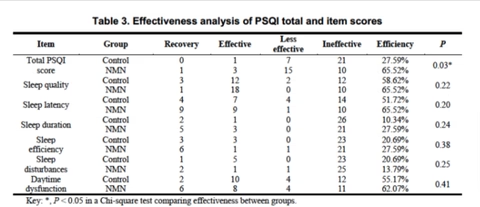
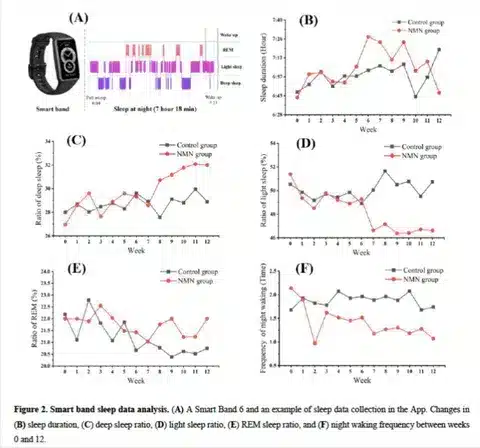
One study examined the effects of NMN supplementation on people with chronic insomnia. Results showed that participants reported improvements in both the duration and quality of their sleep after a period of NMN use.
How NMN and insomnia are linked: the mechanisms
Although the exact mechanism is not yet fully understood, researchers suggest that the relationship between NMN and sleep improvement may be related to its influence on gene expression and the regulation of circadian rhythms. NAD+ is involved in gene regulation, and its increase by NMN could potentially affect genes involved in sleep-wake cycles.
Future research into NMN and insomnia
Despite promising results, caution is needed in interpreting these findings. More randomized, placebo-controlled clinical trials with larger sample sizes are needed to further confirm the effects of NMN on chronic insomnia. It is also important to investigate the long-term effects and possible side effects of long-term NMN use.
Conclusion: NMN and insomnia
While research on the correlation between NMN and chronic insomnia is in its early stages, early findings indicate promising results. Understanding the role of NAD+ in the regulation of sleep mechanisms opens new perspectives for the treatment of sleep disorders. However, it remains crucial to build on these findings and conduct deeper research before NMN can be considered a mainstream treatment for chronic insomnia.


